Can You Eat Before an MRI Scan?
Key takeaways
- For most MRI scans, you can eat and drink normally beforehand. No fasting is required for brain, knee, shoulder, spine, hip, ankle, or neck MRI.
- Abdominal and pelvic MRI scans typically require 4 to 6 hours of fasting to reduce bowel motion and improve image quality.
- If your scan uses gadolinium contrast, a light meal 2 hours before is fine, but avoid eating immediately before the scan to reduce nausea risk.
- Water is almost always allowed and encouraged, especially before scans that require a moderately full bladder (pelvic, prostate).
- Your booking confirmation will include specific preparation instructions for your scan type. Follow those rather than general advice.
- Mira provides two reports with every scan: a medical report and a miraclarity report in plain English. Results are delivered within 3 working days.
The short answer: for most MRI scans, yes, you can eat before an MRI. The majority of MRI examinations do not require fasting. However, a few specific scan types need an empty stomach for optimal image quality. This guide covers exactly which scans require fasting, which do not, and how to prepare properly. If you are booking a scan through Mira Diagnostics, your confirmation email will include preparation instructions specific to your scan type.
Can You Eat Before an MRI? The Quick Answer
The fasting requirement depends entirely on which part of your body is being scanned. For the vast majority of MRI scans, you can eat and drink as you normally would. Here is a straightforward breakdown.
| Scan Type | Fasting Required? | Notes |
|---|---|---|
| Brain MRI | No | Eat and drink normally |
| Knee MRI | No | Eat and drink normally |
| Shoulder MRI | No | Eat and drink normally |
| Spine MRI (lumbar, cervical, thoracic) | No | Eat and drink normally |
| Hip MRI | No | Eat and drink normally |
| Ankle / foot MRI | No | Eat and drink normally |
| Neck MRI | No | Eat and drink normally |
| Abdomen MRI | Yes - 4 to 6 hours | Reduces bowel movement and gas for clearer images |
| Liver MRI | Yes - 4 to 6 hours | Empty stomach required for accurate liver assessment |
| MRCP (bile duct imaging) | Yes - 4 to 6 hours | Fluid in the stomach can obscure bile duct visualisation |
| Pelvic MRI | Sometimes - check instructions | Some centres require fasting, others do not |
| Prostate MRI | No | But avoid ejaculation for 72 hours before the scan |
| Full body MRI | Yes - 4 to 6 hours | Includes abdominal regions that benefit from fasting |
| Any MRI with contrast | Light meal 2 hours before is fine | Avoid eating immediately before to reduce nausea risk |
Why Do Some MRI Scans Require Fasting?
Fasting before certain MRI scans is not about safety. MRI does not interact with food the way some other medical tests do (such as blood glucose testing or anaesthesia). The reason for fasting is purely about image quality.
- Bowel motion: Eating triggers peristalsis (the muscular contractions that move food through your digestive system). This movement creates motion artefacts on abdominal MRI images, blurring the organs you are trying to see.
- Gas and distension: Food, especially gas-producing foods, can inflate the bowel and push other organs out of their normal positions, making them harder to assess accurately.
- Gallbladder assessment: The gallbladder contracts after eating, which can make it difficult to evaluate on imaging. Fasting keeps the gallbladder distended and easier to visualise.
- Bile duct imaging (MRCP): MRCP relies on fluid in the bile ducts to generate contrast naturally. Fluid in the stomach and duodenum from recent eating can overlap with bile duct signal and obscure the findings.
For musculoskeletal scans (knee, shoulder, hip, ankle, spine) and brain MRI, these factors do not apply. Your knee does not move when you eat, and your brain images are not affected by stomach contents.
Can You Drink Water Before an MRI?
Water is almost always permitted before an MRI scan. Even for abdominal scans that require fasting, small sips of water are usually allowed up to 2 hours before the appointment.
- Non-abdominal scans: Drink water freely. Staying hydrated is encouraged.
- Abdominal/liver scans: Small sips of water are usually fine up to 2 hours before. Check your specific instructions.
- Pelvic and prostate scans: You may be asked to have a moderately full bladder. Drink 500ml of water about 1 hour before the scan.
- Contrast scans: Staying hydrated helps your kidneys process the gadolinium contrast agent after the scan. Drink water before and after.
Avoid fizzy drinks, coffee, and alcohol before abdominal scans. Carbonated drinks introduce gas into the stomach, caffeine can affect bowel motility, and alcohol can alter liver signal on MRI.
What About Eating Before an MRI With Contrast?
Gadolinium contrast is an intravenous agent used in approximately 30% of MRI scans. It highlights areas of inflammation, tumours, and blood vessel abnormalities. If your scan requires contrast, the eating rules are slightly different from a standard scan.
- A light meal 2 to 3 hours before the scan is fine. You do not need to fast.
- Avoid a heavy or greasy meal immediately before the scan. Contrast injection can occasionally cause mild nausea, and a full stomach makes this worse.
- Drink water before and after the scan. Hydration helps your kidneys clear the contrast from your system.
- If you have kidney disease, inform the scanning team before your appointment. Your kidney function may need to be checked before contrast is administered.
Gadolinium side effects are uncommon. According to the American College of Radiology, the most common reactions are a cool sensation during injection, a metallic taste, and mild nausea. Serious allergic reactions occur in fewer than 1 in 10,000 patients.
Book Your MRI Scan
Private MRI scans from £369 (UK) or $369 (US). No referral needed. Two reports included. Results in 3 working days.
Book Your ScanFoods to Avoid Before an Abdominal MRI
If your scan involves the abdomen and requires fasting, you should stop eating 4 to 6 hours before your appointment. The evening before, consider avoiding foods that cause gas or bloating.
Foods That Cause Gas and Bowel Artefacts
- Beans, lentils, and legumes
- Broccoli, cauliflower, cabbage, and Brussels sprouts
- Onions and garlic
- Carbonated drinks
- High-fibre cereals
- Dairy products (if you are lactose intolerant)
- Artificial sweeteners (sorbitol, xylitol)
- Chewing gum (causes you to swallow air)
The night before an abdominal MRI, stick to simple, easily digestible foods: plain chicken or fish, rice, toast, or a small pasta dish. Then fast from midnight or at least 4 to 6 hours before your scan time.
Medications Before an MRI
In most cases, you should take your regular medications as normal before an MRI scan. This includes blood pressure medication, heart medication, thyroid medication, and most other prescription drugs.
- Take your regular medications with a small sip of water, even if you are fasting for an abdominal scan.
- Diabetic patients: If you need to fast, discuss the timing of insulin or oral diabetes medications with your doctor. You may need to adjust the dose.
- Anti-anxiety medication: If you take medication for claustrophobia or anxiety, take it as directed before the scan.
- Blood thinners: Continue as normal. MRI is not affected by anticoagulants.
- Iron supplements: Some centres ask you to stop iron supplements 48 hours before abdominal MRI as they can affect image quality.
If you are unsure about any medication, contact the scanning centre before your appointment. When you book through Mira, your confirmation includes preparation instructions and a contact number for questions.
MRI Preparation Checklist
Beyond eating and drinking, here is a complete preparation checklist for your MRI scan.
- Wear comfortable, loose-fitting clothing without metal zips, buttons, or fasteners. Many centres provide a gown.
- Remove all metal items: watches, jewellery, earrings, piercings, belt buckles, coins, keys, credit cards, and hair clips.
- Leave your phone, wallet, and any electronic devices in a secure locker or with someone outside the scan room.
- Tell the radiographer about any metal implants, pacemakers, cochlear implants, or other implanted devices.
- Mention any previous allergic reactions to contrast agents.
- Inform the team if you are pregnant or think you might be pregnant.
- Arrive 10 to 15 minutes early to complete the safety screening questionnaire.
- If you have claustrophobia, tell the team when you book. They can advise strategies to help you feel comfortable.
What Happens If You Eat Before a Fasting MRI?
If you accidentally eat before a scan that requires fasting, tell the radiographer when you arrive. Depending on what you ate, how much, and how long ago, they may decide to proceed with the scan anyway, or they may recommend rescheduling.
- Small snack 3+ hours ago: The scan can usually proceed with a note in the report about suboptimal preparation.
- Full meal within 2 hours: The scan may need to be rescheduled. Active digestion creates significant motion artefacts in the abdomen.
- Water only: Almost never a problem. Water passes through the stomach quickly.
Do not skip the scan without telling the team. They deal with this regularly and can make the best call based on your specific situation.
Specific Preparation for Common MRI Scans
Knee, Shoulder, Hip, Ankle MRI
No fasting. Eat and drink normally. Wear clothing that allows easy access to the joint being scanned. Remove metal. Arrive 10 to 15 minutes early.
Brain MRI
No fasting. Remove all metal from your head and neck: earrings, necklaces, glasses, hair clips. Dental fillings are usually fine. Inform the team about any dental implants.
Spine MRI
No fasting. Eat normally. If lying flat is painful, let the radiographer know. They can provide cushioning under your knees.
Prostate MRI
No fasting. But avoid ejaculation for at least 72 hours before the scan. Have a moderately full bladder by drinking 500ml of water about 1 hour before.
Abdomen and Liver MRI
Fast for 4 to 6 hours. Small sips of water are usually allowed. Take medications with a small sip of water. Avoid gas-producing foods the evening before.
What to Expect During Your MRI Scan
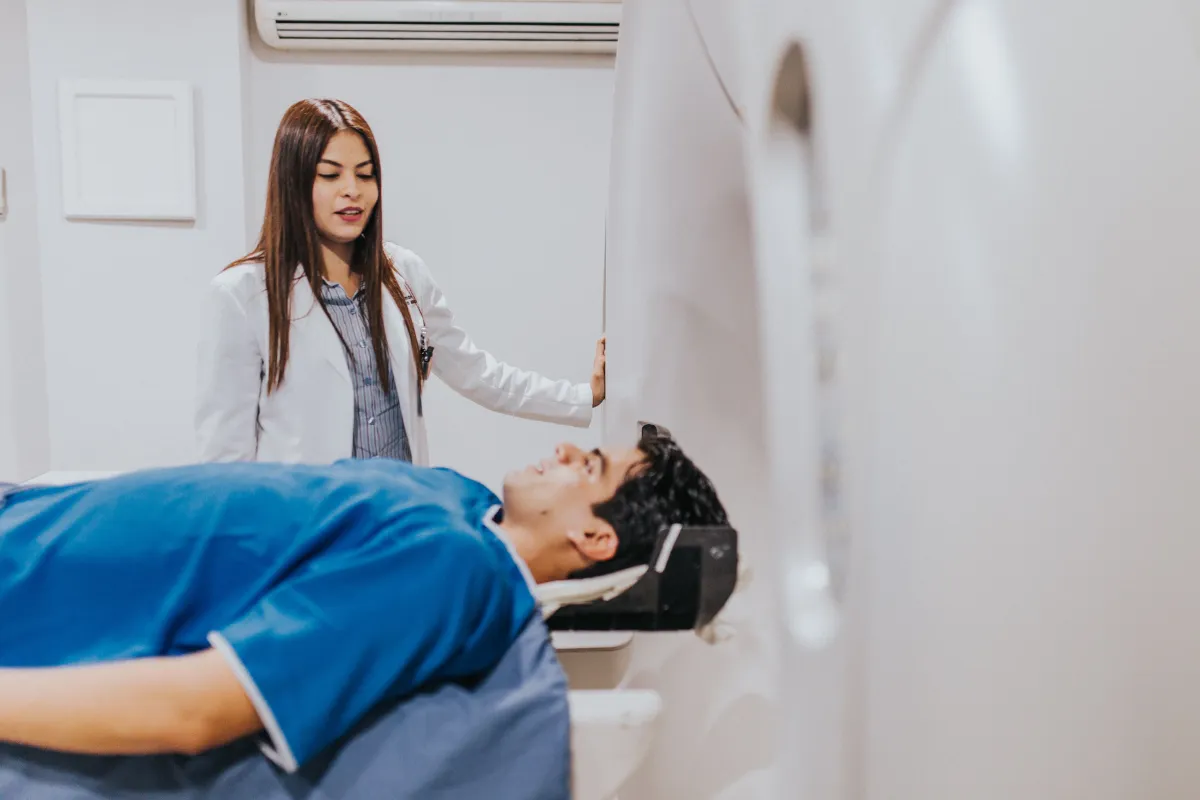
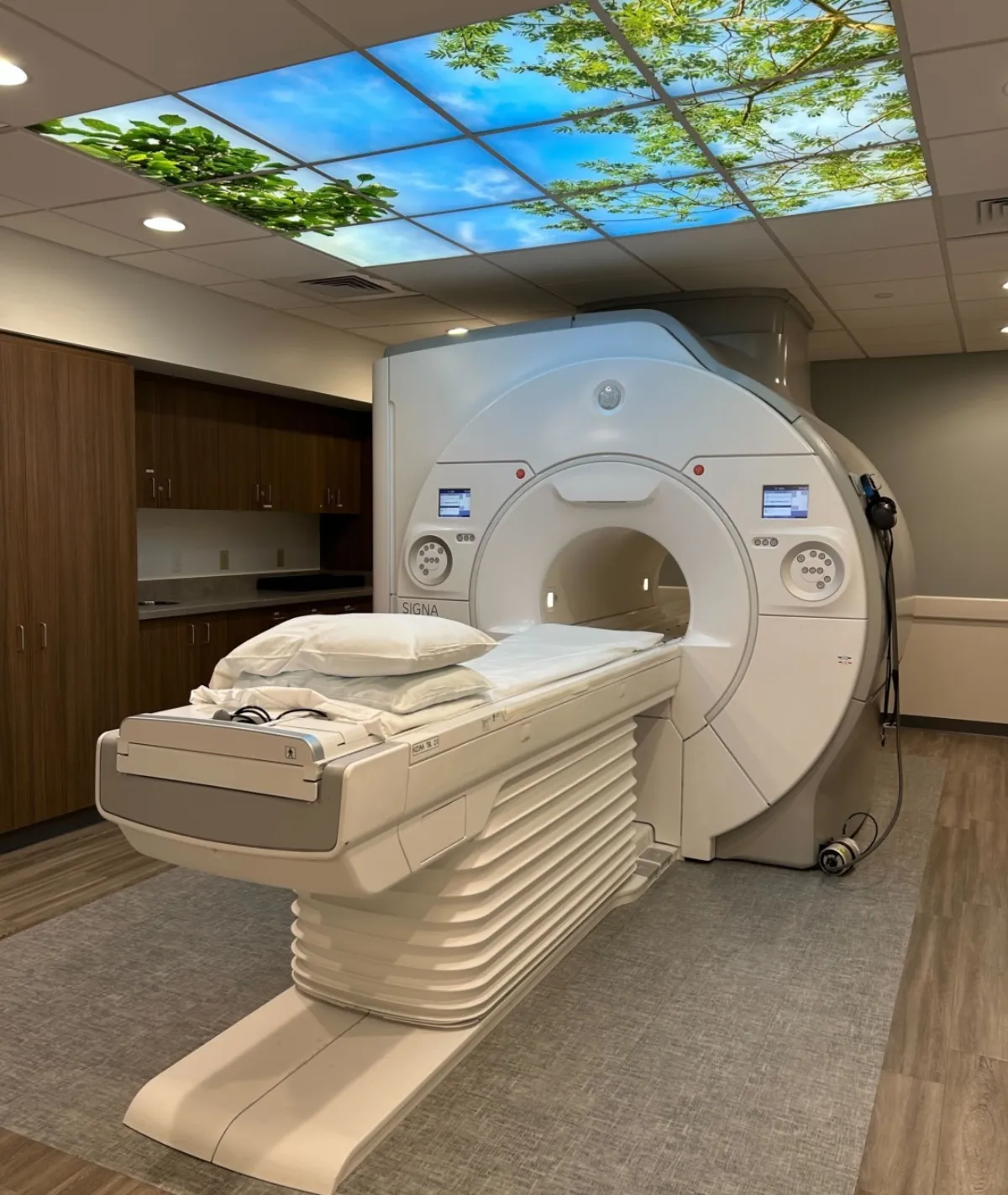
Whether you are fasting or not, the scan experience is the same. You lie on a table that slides into the MRI scanner. The scanner uses strong magnetic fields and radio waves to create detailed images. There is no radiation. The scan is painless.
The scanner is noisy, producing knocking, buzzing, and humming sounds. You will be given headphones or earplugs. The scan lasts 20 to 60 minutes depending on the body part and number of sequences required. You must stay still during the scan.
After the scan, you can eat, drink, and return to normal activities immediately. There is no recovery time. If contrast was used, drink extra water to help flush it from your system.
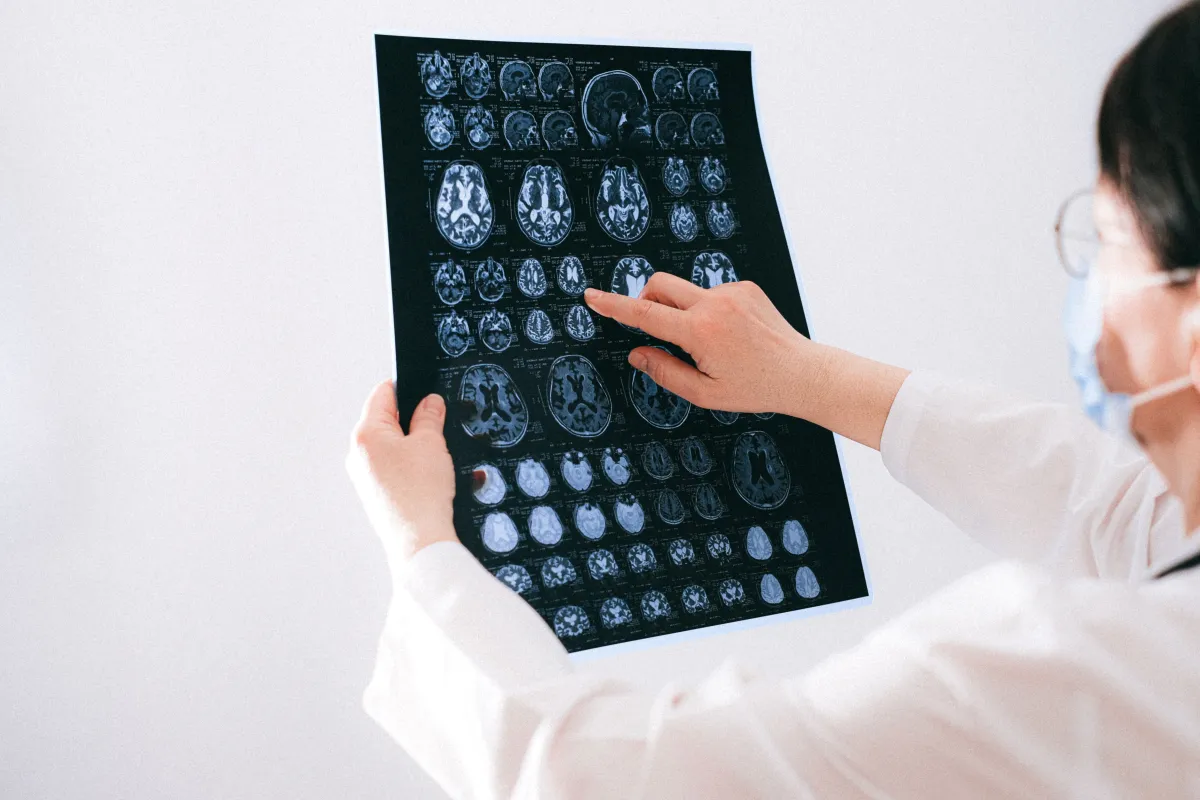
With Mira, your images are reviewed by a consultant radiologist and you receive two reports within 3 working days: a medical report for your doctor and a miraclarity report that explains your findings in plain English with visual body guides and severity indicators.
Book Your MRI with Mira
Two reports included with every scan - one for your doctor, one for you. Book online in under 2 minutes.
Book Your ScanFrequently asked questions
Can you eat before an MRI scan?
For most MRI scans (brain, knee, shoulder, spine, hip, ankle, neck), yes - you can eat and drink normally. Abdominal, liver, and MRCP scans require 4 to 6 hours of fasting. Full body MRI also requires fasting as it includes abdominal imaging.
Can you drink water before an MRI?
Yes. Water is almost always allowed before an MRI scan, even abdominal scans. For pelvic and prostate MRI, you may be asked to drink 500ml of water an hour before the scan to have a moderately full bladder.
Can you drink coffee before an MRI?
For non-abdominal scans, coffee is fine. For abdominal MRI, avoid coffee during the fasting period as caffeine can stimulate bowel motility and introduce artefacts into the images.
What happens if I eat before a fasting MRI?
Tell the radiographer when you arrive. Depending on what you ate and how long ago, the scan may still proceed with a note about suboptimal preparation, or it may need to be rescheduled. A full meal within 2 hours is most likely to require rescheduling.
Do I need to fast for a knee MRI?
No. Knee MRI does not require fasting. Eat and drink normally before your appointment.
Do I need to fast for a brain MRI?
No. Brain MRI does not require fasting. There are no dietary restrictions. Eat and drink normally.
Can I eat before an MRI with contrast?
Yes, but have a light meal at least 2 hours before the scan rather than eating immediately before. A heavy meal can increase the mild nausea that some patients experience with contrast injection.
Should I take my medications before an MRI?
Yes. Take your regular medications with a small sip of water, even if fasting. If you are diabetic and need to fast, discuss insulin or oral diabetes medication timing with your doctor.
How long before an MRI should I stop eating?
For scans that require fasting (abdomen, liver, MRCP, full body), stop eating 4 to 6 hours before your appointment. Check your booking confirmation for specific instructions.
Can I eat immediately after an MRI?
Yes. You can eat and drink as normal immediately after any MRI scan. If contrast was used, drinking extra water helps your kidneys clear the contrast agent.
Final thoughts
For the majority of MRI scans, you can eat and drink normally before your appointment. The only exceptions are scans involving the abdomen, liver, bile ducts, or full body, which require 4 to 6 hours of fasting for optimal image quality. When in doubt, follow the specific preparation instructions provided with your booking.
With Mira, your booking confirmation includes clear preparation guidelines for your specific scan type, so you know exactly what to do. Every scan includes two reports delivered within 3 working days: a medical report and a miraclarity report in plain English. Book your MRI scan online in under 2 minutes.