Knee MRI Cost in the UK (2026)
Key takeaways
- A private knee MRI in the UK costs from £369 with Mira at the Bluewater, Dartford scanning centre in Kent.
- NHS knee MRIs are free but involve a GP referral wait of 1 to 3 weeks followed by a scan wait of 6 to 12 weeks or longer.
- A knee MRI can detect ACL tears, meniscus damage, cartilage loss, ligament injuries, and early osteoarthritis.
- No GP referral is needed when booking through Mira. You can self-refer and book online in under 2 minutes.
- Every Mira scan includes two reports: a medical report for your GP and a miraclarity report explaining findings in plain English.
- Results are delivered within 3 working days, compared to weeks through the NHS pathway.
- Knee MRIs are the most commonly requested private MRI scan in the UK, accounting for roughly 1 in 4 private imaging bookings.
- London knee MRI prices typically range from £500 to £750. Kent pricing through Mira is 30% to 50% lower.
The knee MRI cost in the UK ranges from £369 at private imaging centres to over £750 at premium London clinics. If you are dealing with knee pain, swelling, or a suspected ligament injury, an MRI is the most accurate way to see what is happening inside the joint. Mira Diagnostics offers private knee MRI scans at an accredited scanning centre in Kent (Bluewater, Dartford) from £369, with no GP referral required and results delivered within 3 working days.
Knee MRI Cost in the UK: What You Will Pay
The cost of a private knee MRI varies significantly depending on where you go. London clinics charge a premium driven by property costs and brand positioning. Regional centres, especially those outside the M25, offer the same scan quality at substantially lower prices.
| Provider Type | Typical Price Range | Includes Report? |
|---|---|---|
| Mira (Kent scanning centre) | From £369 | Yes - two reports included |
| Regional private clinics | £400 - £600 | Usually one report |
| London private clinics | £500 - £750 | Usually one report |
| Harley Street / premium London | £600 - £900 | One report, follow-up may cost extra |
| NHS (with referral) | Free | One report sent to GP |
All Mira prices include the scan, consultant radiologist interpretation, a medical report for your doctor, and a miraclarity report for you. There are no hidden booking fees or admin charges.
What Does a Knee MRI Show?
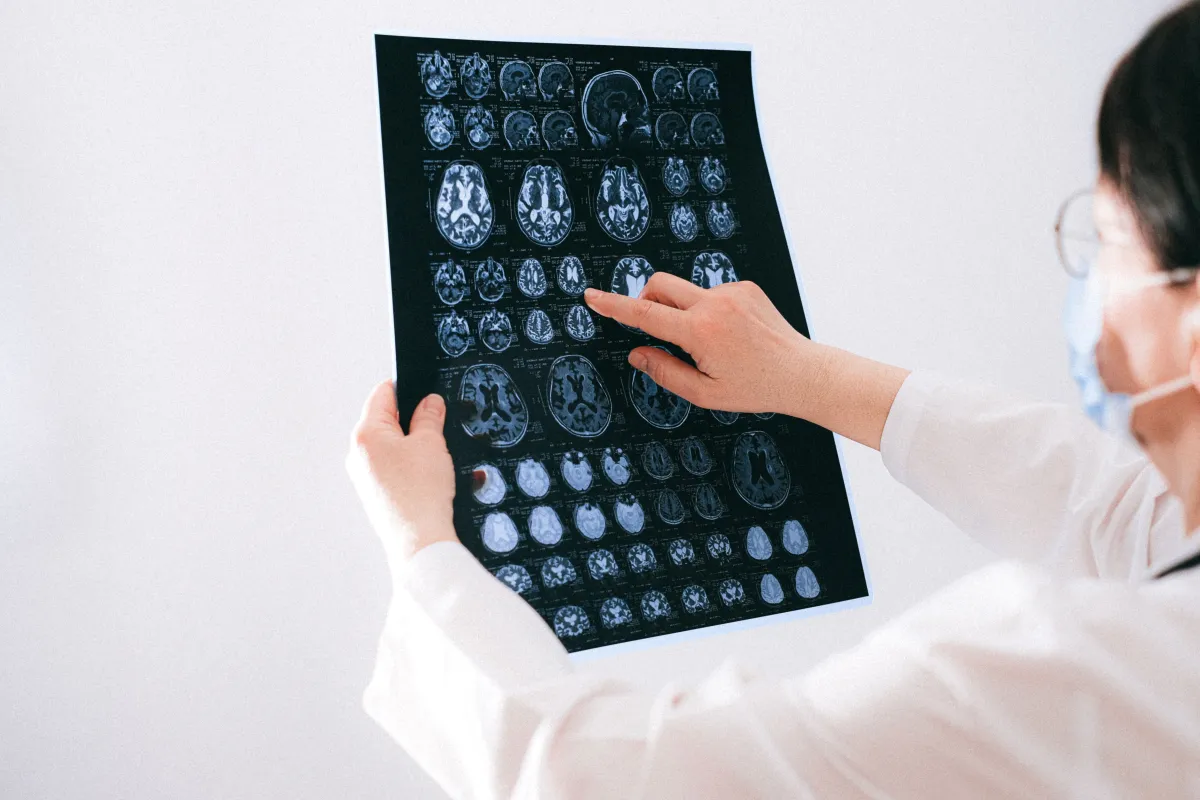
A knee MRI produces detailed cross-sectional images of the soft tissues inside and around your knee joint. Unlike X-rays, which primarily show bones, MRI reveals ligaments, tendons, cartilage, menisci, and the surrounding muscle tissue. This makes it the preferred imaging method for diagnosing most knee problems.
According to the American College of Radiology, MRI is the recommended first-line imaging modality for evaluating internal derangement of the knee, with sensitivity exceeding 90% for meniscal and ligament tears.
Common Conditions Detected on Knee MRI
- ACL (anterior cruciate ligament) tears - partial or complete ruptures, commonly seen in sports injuries
- Meniscus tears - medial and lateral meniscal damage from twisting movements or degeneration
- MCL and LCL injuries - medial and lateral collateral ligament sprains or tears
- Cartilage damage - chondral defects, thinning, or loss of articular cartilage
- Osteoarthritis - joint space narrowing, bone marrow oedema, osteophyte formation
- Baker cyst - fluid-filled cyst behind the knee, often associated with other knee pathology
- Bone bruising - trabecular microfractures not visible on standard X-ray
- Patellar tracking disorders - malalignment or instability of the kneecap
- Tendinopathy - patellar tendon or quadriceps tendon inflammation or partial tears
- Loose bodies - fragments of bone or cartilage floating within the joint
When Do You Need a Knee MRI?
Not every knee problem requires an MRI. Many cases of knee pain can be assessed and managed through clinical examination alone. However, there are specific situations where an MRI provides information that changes your diagnosis and treatment plan.
- Acute knee injury with swelling, instability, or locking - suggests ligament or meniscus damage
- Persistent knee pain lasting more than 4 to 6 weeks despite rest and physiotherapy
- Knee giving way or feeling unstable during weight-bearing activities
- Locking or catching sensations suggesting a mechanical problem inside the joint
- Suspected ACL tear after a pivoting or twisting injury, especially with a "pop" felt at the time
- Pre-surgical planning when an orthopaedic surgeon needs to assess the extent of damage
- Monitoring known conditions such as osteochondral lesions or ligament reconstructions
- Unexplained knee swelling without a clear history of injury
The NHS typically uses clinical assessment and X-ray as initial investigations before referring for MRI. If you want to skip this pathway and go directly to MRI, you can self-refer through Mira without waiting for a GP appointment or NHS referral.
Knee MRI vs X-ray vs Ultrasound
Three imaging methods are commonly used for knee problems. Each has different strengths, and the right choice depends on what your doctor suspects is wrong.
| Feature | MRI | X-ray | Ultrasound |
|---|---|---|---|
| Soft tissue detail | Excellent | Poor | Good (surface structures) |
| Bone detail | Good | Excellent | Limited |
| Ligament tears | Yes (gold standard) | No | Limited |
| Meniscus tears | Yes (gold standard) | No | No |
| Cartilage assessment | Yes | Indirect only | Limited |
| Fractures | Yes (including stress fractures) | Yes (most fractures) | No |
| Radiation | None | Low dose | None |
| Typical cost (private) | From £369 | £80 - £150 | £120 - £250 |
| Scan duration | 25 - 40 minutes | 5 - 10 minutes | 10 - 20 minutes |
For most suspected soft tissue injuries, MRI is the definitive investigation. X-ray is useful when a fracture is suspected, and ultrasound can be helpful for superficial tendon or bursa problems. If your GP has already done an X-ray and found nothing, MRI is usually the next logical step.
Book Your Knee MRI
Private knee MRI from £369 in Kent. No GP referral needed. Two reports included. Results in 3 working days.
Book Knee MRINHS Knee MRI Wait Times vs Private
If you go through the NHS for a knee MRI, you will follow a pathway that starts with a GP appointment. Your GP assesses your knee, may order an X-ray first, and then decides whether to refer you for MRI. The referral then enters the NHS diagnostic imaging queue.
According to NHS England diagnostic waiting times data, the median wait from referral to MRI scan was 6 weeks in 2025, but this varies by trust and can extend to 10 to 14 weeks in high-demand areas. This does not include the initial wait for a GP appointment (1 to 3 weeks) or the wait for results after the scan (2 to 4 weeks).
| Step | NHS Timeline | Mira (Private) |
|---|---|---|
| GP appointment | 1 - 3 weeks | Not needed (self-referral) |
| X-ray (if requested first) | 1 - 2 weeks | Not needed |
| MRI referral to scan | 6 - 14 weeks | Same week availability |
| Scan to results | 2 - 4 weeks | 3 working days |
| Total: first concern to results | 10 - 23 weeks | 2 - 7 days |
For patients dealing with knee pain that affects their daily life, work, or sport, waiting 3 to 6 months for an answer through the NHS can be difficult. A private knee MRI compresses the entire process into days rather than months.
Factors That Affect Knee MRI Cost
Several factors influence the final price you pay for a private knee MRI in the UK.
- Location: London clinics charge 30% to 50% more than regional providers for the same scan quality.
- Contrast agent: Most knee MRIs do not require contrast. If your scan does need gadolinium contrast, expect to pay an additional £100 to £150.
- Scanner strength: 1.5 Tesla scanners are standard for knee imaging. 3 Tesla scanners provide higher resolution but are not always necessary for routine knee assessment.
- Report type: Some providers charge separately for the radiologist report or charge extra for a detailed report. Mira includes two reports in every price.
- Follow-up consultation: Some clinics include a follow-up consultation with a musculoskeletal specialist. If not included, this typically costs £150 to £300 on top of the scan fee.
How to Prepare for a Knee MRI
Preparing for a knee MRI is straightforward. The scan does not require fasting, and you can eat and drink normally beforehand.
- Wear comfortable, loose-fitting clothing without metal zips, buttons, or fasteners. You may be given a gown to change into.
- Remove all metal items including watches, jewellery, belts, hair clips, and piercings.
- Inform the radiographer if you have any metal implants, a pacemaker, cochlear implant, or any other implanted device.
- Arrive 10 to 15 minutes before your appointment to complete safety screening paperwork.
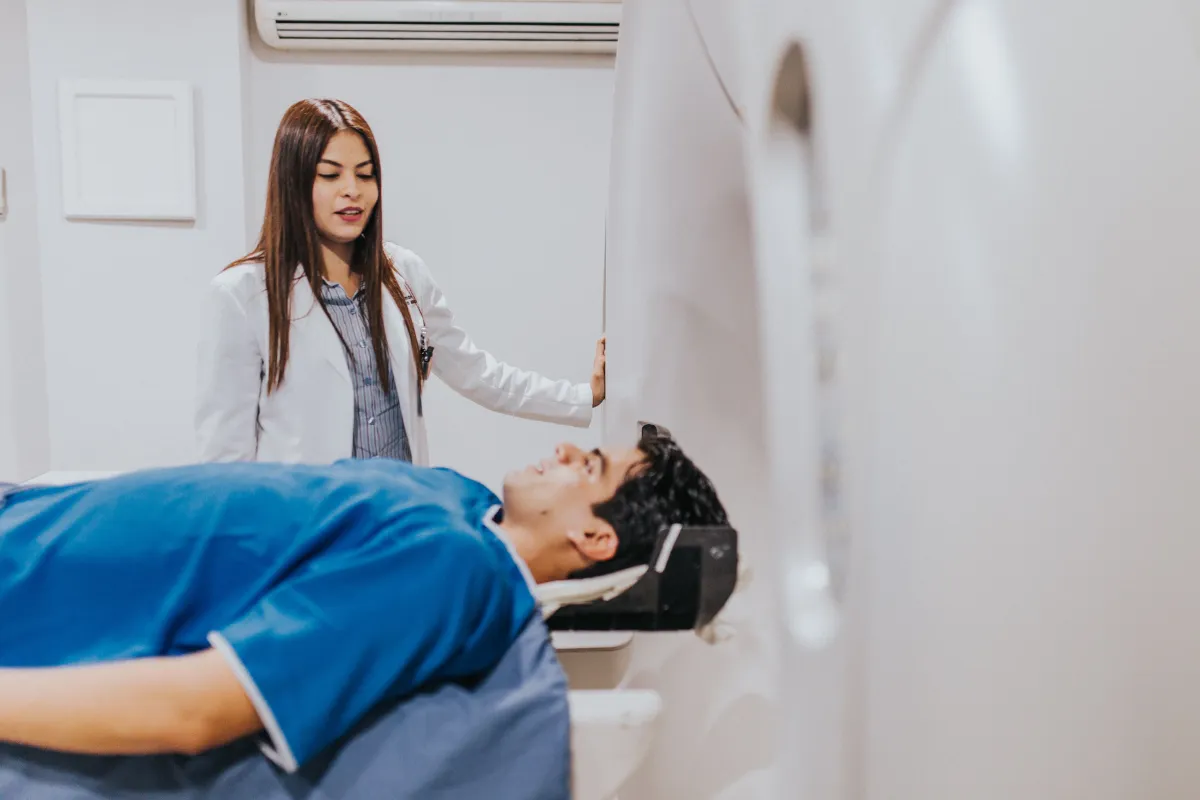
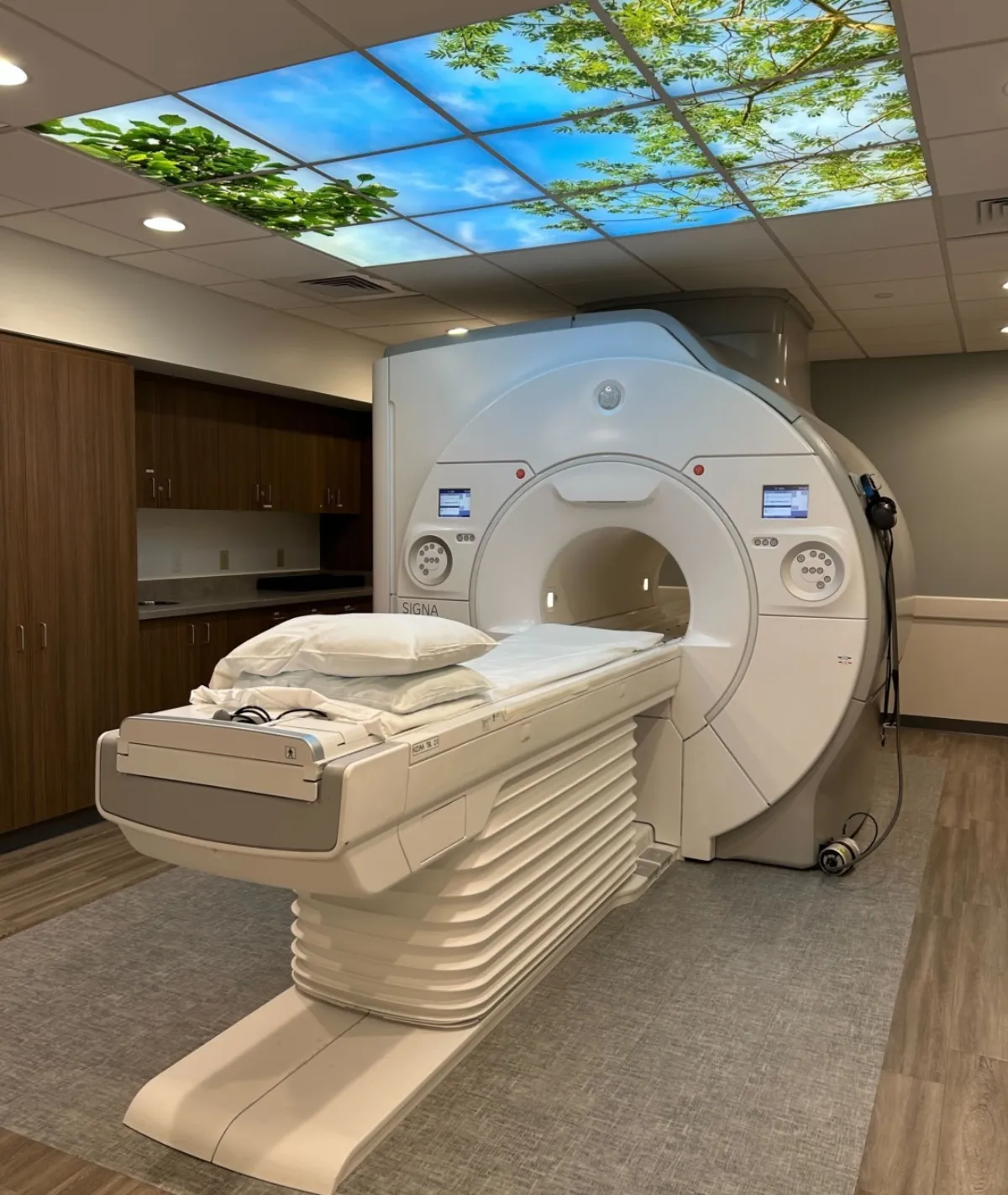
- The scan takes approximately 25 to 40 minutes. You will lie on a table that slides into the scanner, with your knee positioned in a dedicated knee coil.
- The scanner is noisy. You will be given headphones or earplugs. You can usually listen to music.
- You must stay still during the scan. Movement can blur the images and may require sequences to be repeated.
If you experience claustrophobia, mention this when booking. The team at Mira Scanning Centre, Bluewater, Dartford can advise on strategies to help you feel comfortable, and most of your body remains outside the scanner during a knee MRI.
What Happens After Your Knee MRI
After the scan, there is nothing you need to do differently. You can drive, return to work, and continue your normal activities immediately. If contrast was used, you may be asked to drink extra water to help flush it from your system.
With Mira, your images are reviewed by a consultant radiologist and you receive two reports within 3 working days. The medical report provides the clinical findings in standard medical terminology, suitable for sharing with your GP, physiotherapist, or orthopaedic surgeon. The miraclarity report translates those findings into plain English, with visual body guides showing exactly where any problems are located and severity indicators categorised as normal, monitor, or attention.
If your knee MRI reveals a tear, cartilage damage, or another significant finding, your next step is typically a consultation with an orthopaedic specialist or a sports medicine physician. You can take both Mira reports to that appointment.
Where to Get a Knee MRI in Kent
Mira scans in Kent take place at Mira Scanning Centre, Bluewater Shopping Centre, Dartford, Kent (DA9 9ST). The centre is easily accessible from across South East England.
- From Dartford: 10-minute drive
- From Gravesend: 15 minutes via the A2
- From Bromley: 25 minutes via the A2
- From Bexleyheath: 20 minutes via the A2
- From Medway (Rochester, Chatham): 25 minutes via the A2/M2
- From south-east London (Greenwich, Woolwich): 25 to 35 minutes via the A2
- Free parking available at Bluewater Shopping Centre
The centre operates Monday to Saturday, 8am to 9pm, and Sunday, 10am to 5pm. Evening and Saturday appointments make it convenient for patients who cannot take time off work. Book your knee MRI online and choose a slot that works for you.
Knee MRI for Sports Injuries
Knee injuries are the most common reason athletes and recreational sports participants seek MRI. Football, rugby, netball, running, skiing, and martial arts all place significant stress on the knee joint.
According to the British Journal of Sports Medicine, ACL injuries occur at a rate of approximately 30 per 100,000 people per year in the UK, with the highest incidence in those aged 15 to 39. Early MRI within 2 weeks of injury improves diagnostic accuracy and helps guide surgical decision-making.
Waiting 3 to 6 months for an NHS MRI after a sports injury can delay rehabilitation and increase the risk of secondary damage, such as meniscal tears that develop when an ACL-deficient knee is used during sport. A private knee MRI can provide a diagnosis within days, allowing treatment to begin sooner.
Understanding Knee MRI Results
A standard knee MRI report can be dense with medical terminology. Terms like "Grade 2 signal within the posterior horn of the medial meniscus" or "moderate joint effusion with synovial thickening" are meaningful to clinicians but often confusing for patients.
This is where the miraclarity report adds value. It takes each finding from the medical report and explains what it means in plain English. For example, "Grade 2 meniscal signal" becomes "early wear in the inner cartilage pad on the inside of your knee - this does not represent a tear and is often found in people over 30 as a normal part of ageing." The visual body guide shows the exact location, and the severity indicator tells you whether the finding is normal, something to monitor, or something that needs attention.
Both reports are delivered digitally within 3 working days. You can share them with your GP, physiotherapist, or surgeon directly from your Mira account.
Get Answers About Your Knee Pain
Private knee MRI from £369. Self-referral accepted. Two reports - one for your doctor, one for you. Results in 3 working days.
Book Your Knee MRIFrequently asked questions
How much does a knee MRI cost in the UK?
A private knee MRI in the UK costs from £369 with Mira at the Kent scanning centre. London prices typically range from £500 to £750. Regional clinics outside London charge between £400 and £600. All Mira prices include two reports: a medical report and a miraclarity report.
Do I need a GP referral for a knee MRI?
No. Mira accepts self-referrals for knee MRI scans. You can book online without a GP letter or consultant referral. This skips the 1 to 3 week wait for a GP appointment that the NHS pathway requires.
How long does a knee MRI take?
A knee MRI scan typically takes 25 to 40 minutes. You lie on a table with your knee positioned in a coil, and the table slides into the scanner. Most of your body remains outside the machine during a knee scan.
Is a knee MRI painful?
No. A knee MRI is completely painless. The scanner does not touch your body. You will hear loud knocking and buzzing sounds from the scanner, and you will be given headphones or earplugs. You need to keep your knee still during the scan.
How long do knee MRI results take?
With Mira, you receive two reports within 3 working days. Through the NHS, results are typically sent to your GP within 2 to 4 weeks, and you then need a follow-up appointment to discuss them.
Can a knee MRI detect arthritis?
Yes. MRI can detect early osteoarthritis before it becomes visible on X-ray. It shows cartilage thinning, bone marrow oedema, osteophyte formation, and joint effusion. This early detection can guide preventive treatment strategies.
What should I wear for a knee MRI?
Wear comfortable, loose-fitting clothing without metal components. Tracksuit bottoms or shorts are ideal. You will need to remove all metal items including watches, jewellery, and belts. You may be given a gown if your clothing contains metal.
How long is the NHS waiting list for a knee MRI?
NHS knee MRI wait times vary by trust but average 6 to 12 weeks from referral to scan. This does not include the initial GP appointment wait (1 to 3 weeks) or the wait for results (2 to 4 weeks). Total time from first concern to results is typically 10 to 20 weeks.
Can I get a knee MRI without an X-ray first?
Yes. While the NHS often requires an X-ray before referring for MRI, this is not necessary when booking privately through Mira. If your symptoms suggest soft tissue injury, going directly to MRI can save time as X-rays do not show ligaments, menisci, or cartilage in detail.
Is a knee MRI covered by private health insurance?
Many private health insurance policies cover diagnostic knee MRI scans when clinically indicated. Check your policy for imaging coverage and any pre-authorisation requirements. Self-pay through Mira from £369 may be more cost-effective than using insurance for a single scan.
Final thoughts
A private knee MRI in the UK costs from £369 and provides the definitive diagnostic information needed to understand what is causing your knee pain. Whether you are dealing with a sports injury, persistent pain, or suspected arthritis, MRI offers the clearest view of the soft tissues inside your knee joint.
With Mira, you can skip the GP referral and NHS waiting list, book online in under 2 minutes, and receive two reports within 3 working days. The miraclarity report ensures you understand exactly what your scan shows, not just the medical terminology. Book your knee MRI in Kent and get answers within days, not months.