Is a Full Body MRI Worth It?
Key takeaways
- Full body MRI can detect early-stage cancers, aneurysms, organ abnormalities, and musculoskeletal problems before symptoms appear.
- The main risk is incidental findings: abnormalities that are clinically insignificant but cause anxiety, further testing, and unnecessary procedures.
- Full body MRI is most valuable for people with strong family histories of cancer, those at higher risk due to age or lifestyle, and health-conscious individuals seeking proactive screening.
- Mira offers full body MRI in the UK from £899 (Bronze tier) at the Kent scanning centre. US diagnostic MRI starts from $369.
- Every Mira scan includes two reports: a medical report and a miraclarity report with visual guides and severity indicators.
- Results are delivered within 3 working days. No GP referral is needed in the UK. In the US, a doctor order is required.
- Full body MRI is an elective screening tool, not a diagnostic replacement. It should complement, not replace, standard recommended screenings.
Is a full body MRI worth it? The answer depends on your health profile, risk factors, and what you hope to gain from the scan. Full body MRI screening has grown rapidly as a preventive health tool, driven by endorsements from public figures and growing interest in proactive health management. But it is not without trade-offs. This guide provides a balanced assessment of the benefits, limitations, costs, and who stands to gain the most. If you want to explore full body MRI options, Mira offers wellness MRI scans starting from £899 in the UK.
What Is a Full Body MRI Scan?
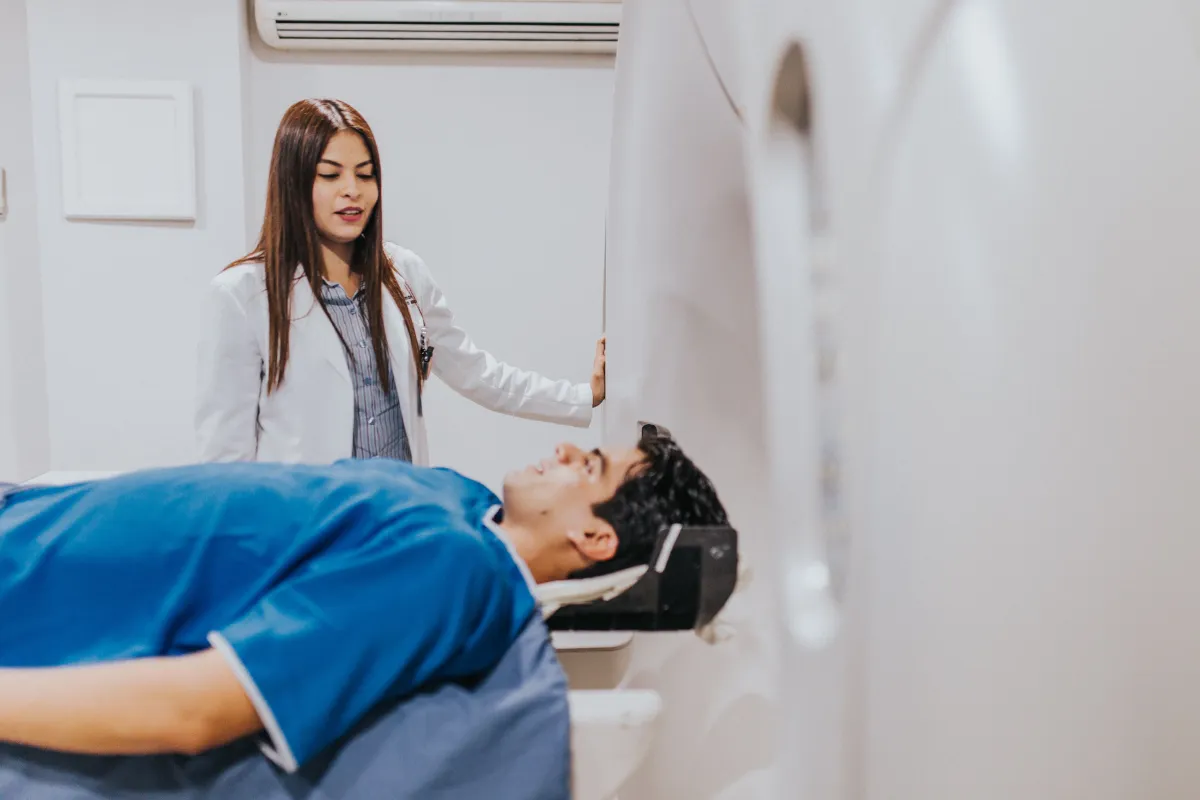
A full body MRI is an elective screening scan that images multiple body regions in a single session. Unlike a diagnostic MRI, which targets a specific area based on symptoms, a full body MRI surveys the body broadly to look for abnormalities before symptoms develop.
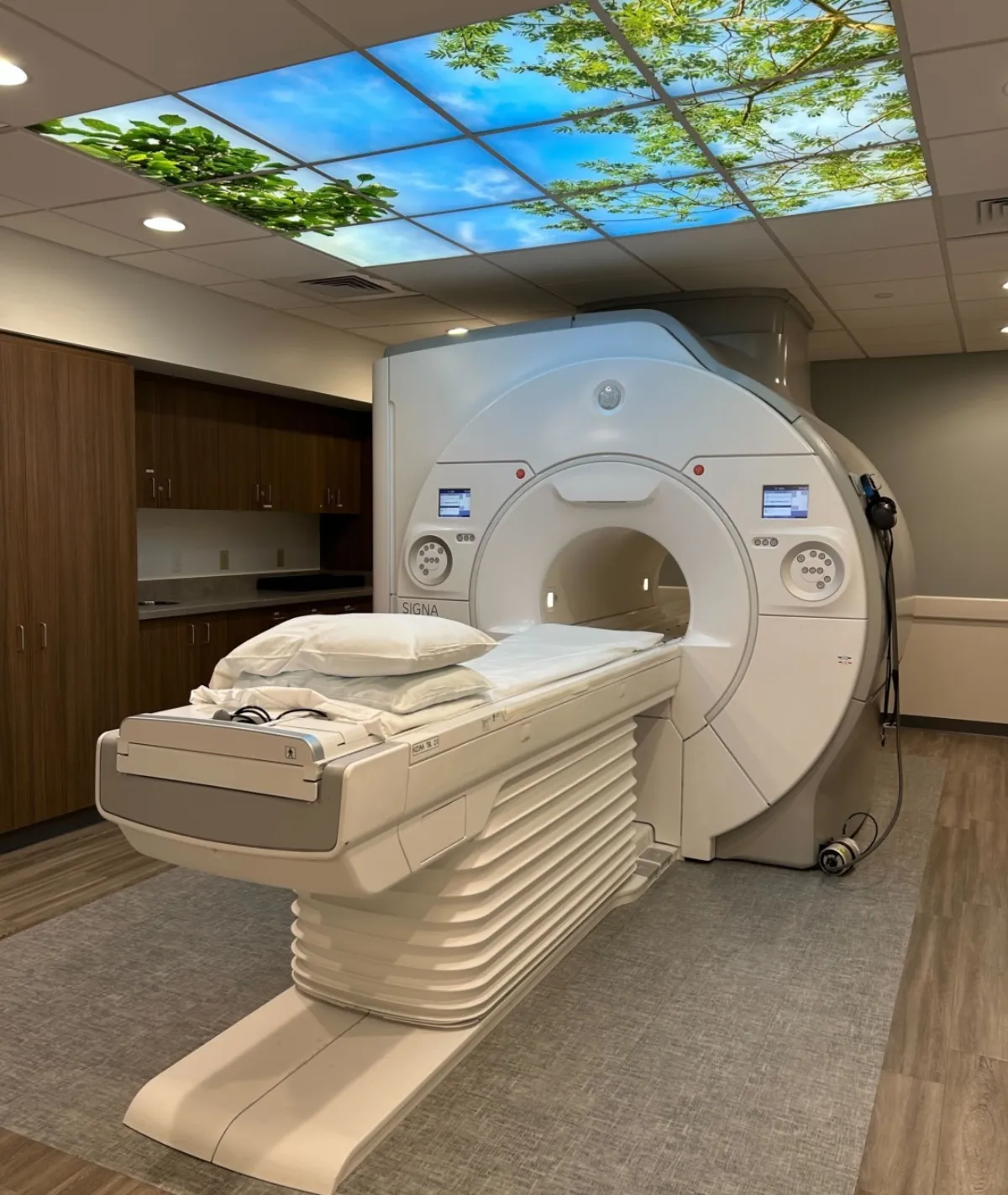
The scan typically covers the brain, spine, chest, abdomen, pelvis, and in some protocols, major joints. The exact coverage depends on the provider and tier of scan selected. No contrast agent is typically used for screening protocols, and the scan takes 60 to 90 minutes.
Full Body MRI Cost: UK and US
| Provider / Tier | Price | Coverage |
|---|---|---|
| Mira Bronze (UK) | From £899 | Core body regions (brain, spine, abdomen, pelvis) |
| Mira Silver (UK) | From £999 | Extended coverage including chest |
| Mira Gold (UK) | From £1,399 | Full coverage including joints |
| Mira Platinum (UK) | From £1,499 | Maximum coverage including cardiac assessment |
| London full body MRI (other providers) | £1,500 - £3,000+ | Varies |
| US full body MRI (premium screening companies) | $1,500 - $2,500 | Varies by protocol |
| Mira diagnostic MRI (US) | From $369 | Single area diagnostic scan |
Full body MRI is not covered by the NHS (it is considered elective screening) and is rarely covered by US health insurance. It is a self-pay service in virtually all cases.
What Can a Full Body MRI Detect?
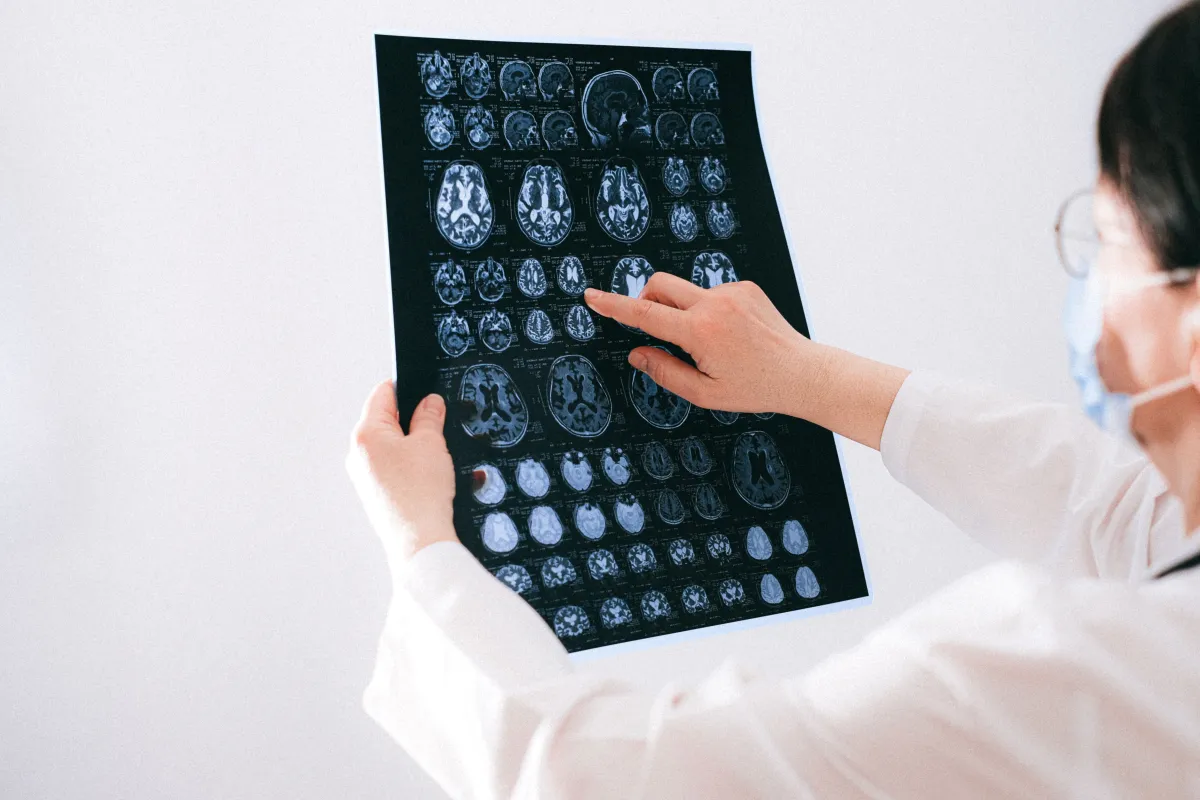
Full body MRI can identify a range of conditions, some potentially life-saving. Research published in The Lancet Oncology has shown that whole-body MRI can detect early-stage cancers that would not have been found through standard screening.
Conditions Detectable on Full Body MRI
- Tumours and cancers: Kidney, liver, pancreatic, ovarian, and other solid organ cancers can be detected at early stages. Some brain tumours can be identified before symptoms appear.
- Aneurysms: Aortic aneurysms and intracranial aneurysms can be found before they rupture. Aortic aneurysm rupture carries a mortality rate above 80%.
- Organ abnormalities: Liver cysts, kidney cysts, adrenal nodules, spleen abnormalities, and pancreatic changes.
- Spinal conditions: Disc herniations, spinal stenosis, and compression fractures that may be asymptomatic.
- Brain changes: White matter disease, silent strokes, structural abnormalities.
- Joint degeneration: Early osteoarthritis, cartilage damage, meniscal changes in the knees.
- Lymphadenopathy: Enlarged lymph nodes that may indicate infection, inflammation, or malignancy.
- Vascular abnormalities: Arterial narrowing or irregularities in major blood vessels.
Who Benefits Most from Full Body MRI?
Full body MRI is not necessary for everyone. The value depends on your individual risk profile and health priorities.
Strong Candidates for Full Body MRI
- Family history of cancer: If first-degree relatives have been diagnosed with cancer, especially cancers not covered by standard screening (kidney, pancreatic, liver), a full body MRI can provide early detection.
- Age 40 and above: Cancer risk increases with age. Baseline full body MRI at 40 can identify issues early and provide a comparison point for future scans.
- Genetic predisposition: Carriers of BRCA, Lynch syndrome, or other hereditary cancer genes benefit from broader surveillance beyond organ-specific screening.
- High-risk lifestyle factors: Long-term smokers, heavy alcohol users, and those with significant occupational exposures may benefit from screening.
- Proactive health management: Health-conscious individuals who want data about their body and are prepared to handle incidental findings appropriately.
- Executive health screening: Some professionals include full body MRI as part of comprehensive annual health assessments.
Who May Not Need Full Body MRI
- Young, healthy adults under 30 with no family history and no risk factors
- People who would find incidental findings excessively distressing
- Those looking for a substitute for standard recommended screenings (mammography, colonoscopy, cervical screening). Full body MRI complements these but does not replace them.
Explore Full Body MRI with Mira
Wellness MRI from £899 in Kent. Four tiers available. Two reports included. No GP referral needed. Results in 3 working days.
View Full Body MRI OptionsThe Incidental Findings Problem
The most common criticism of full body MRI screening is the incidental findings problem. An incidental finding is something the scan detects that is clinically insignificant but was not known about before.
Studies show that full body MRI finds at least one incidental abnormality in approximately 40% to 70% of healthy adults. Most of these are benign: simple kidney cysts, liver haemangiomas (benign blood vessel growths), small thyroid nodules, or age-related disc changes. However, each finding triggers a decision: is further investigation needed?
How Incidental Findings Can Lead to Harm
- Anxiety: An "abnormal" finding causes worry, even when it is ultimately benign.
- Follow-up testing: Additional scans, blood tests, or specialist consultations to investigate findings that turn out to be harmless.
- Unnecessary procedures: In rare cases, biopsies or even surgeries performed on findings that were never going to cause a problem.
- Cost: Follow-up investigation of incidental findings can cost more than the original scan.
- Time: Medical appointments, waiting for follow-up results, and the emotional toll of uncertainty.
How Mira Addresses Incidental Findings
The miraclarity report directly addresses this problem. Every finding is categorised with a severity indicator: normal (no action needed), monitor (worth tracking but not concerning), or attention (discuss with your doctor). This prevents the panic response that comes from seeing an "abnormality" in a report without understanding its clinical significance.
For example, a simple kidney cyst found incidentally would be categorised as "normal" with an explanation: "A simple fluid-filled cyst in your right kidney. These are extremely common, found in up to 50% of adults over 50, and almost never cause problems. No treatment or follow-up is needed."
Full Body MRI vs Standard Screening Tests
Full body MRI does not replace standard screening tests. Each screening method has specific strengths.
| Screening | What It Detects Best | MRI Advantage | MRI Limitation |
|---|---|---|---|
| Mammography | Breast cancer | Higher sensitivity in dense breasts | Higher false positive rate, not population screening tool |
| Colonoscopy | Colorectal cancer, polyps | Can find polyps incidentally | Cannot biopsy or remove polyps during scan |
| Low-dose CT (lung) | Lung cancer in high-risk smokers | No radiation | CT is better for lung nodule detection |
| PSA test | Prostate cancer risk | mpMRI far more specific, reduces unnecessary biopsies | Not a standalone prostate screening tool |
| Cervical screening | Cervical cancer, pre-cancerous changes | Cannot detect cervical changes | Not applicable |
| Blood tests | Metabolic, organ function, markers | Shows structural abnormalities blood tests miss | Cannot detect biochemical abnormalities |
The best approach is to use full body MRI alongside your standard screenings, not as a replacement. Full body MRI excels at detecting structural abnormalities in organs that have no routine screening test: kidneys, liver, pancreas, spleen, and brain.
What Does a Full Body MRI Not Detect?
Full body MRI has limitations. It is not a complete health assessment.
- Blood-based conditions: Diabetes, cholesterol, infections, vitamin deficiencies, and hormonal imbalances are not visible on MRI.
- Microscopic cancers: Very early cancers that are too small to be detected on imaging (a few millimetres or less).
- Functional problems: Heart rhythm abnormalities, lung function issues, and metabolic disorders.
- Skin cancers: MRI does not image the skin surface effectively.
- Gastrointestinal mucosal conditions: Inflammatory bowel disease, gastric ulcers, and early colorectal polyps are better detected by endoscopy.
- Mental health conditions: Depression, anxiety, and most psychiatric conditions have no structural MRI correlate.
The Evidence For and Against Full Body MRI
Medical opinion on full body MRI screening is divided. Here is what the evidence says.
Arguments For
- Early detection saves lives: The 5-year survival rate for stage 1 kidney cancer is over 90%, compared to under 15% for stage 4. Full body MRI can detect kidney cancer before symptoms appear.
- No radiation: Unlike CT, which delivers a radiation dose, MRI uses no ionising radiation. This makes it suitable for repeat screening without cumulative radiation risk.
- Growing evidence base: Studies in The Lancet Oncology and other journals have demonstrated that whole-body MRI detects clinically significant findings in 5% to 15% of asymptomatic adults.
- Aortic aneurysm detection: Abdominal aortic aneurysm is the 13th leading cause of death in the US. MRI can detect aneurysms before rupture, when repair is elective and has low mortality.
- Baseline imaging: A full body scan at age 40 or 50 provides a comparison point for future imaging, making it easier to distinguish new changes from pre-existing conditions.
Arguments Against
- No randomised trial evidence: There is no large-scale randomised controlled trial proving that full body MRI screening reduces mortality in the general population.
- Incidental finding burden: The high rate of benign findings can lead to unnecessary anxiety, testing, and procedures.
- Cost: At £899 to £3,000 per scan, it is a significant investment that may not be justified for low-risk individuals.
- Over-diagnosis: Some conditions detected on MRI would never have caused symptoms or reduced lifespan (this is particularly debated for small, slow-growing tumours).
- Not endorsed by major guidelines: Neither NICE (UK) nor USPSTF (US) currently recommends routine full body MRI screening for the general population.
Full Body MRI Tiers at Mira (UK)
Mira offers four tiers of full body MRI at Mira Scanning Centre, Bluewater, Dartford. Each tier covers progressively more body regions.
| Tier | Price | Coverage |
|---|---|---|
| Bronze | From £899 | Core body regions: brain, spine, abdomen, pelvis |
| Silver | From £999 | Bronze + chest |
| Gold | From £1,399 | Silver + major joints |
| Platinum | From £1,499 | Gold + cardiac assessment |
All tiers include consultant radiologist interpretation, a medical report, and a miraclarity report with visual body guides and severity indicators. Results are delivered within 3 working days. No GP referral is needed.
Making the Decision: Is It Worth It For You?
Whether a full body MRI is worth it depends on three factors.
- Your risk profile: Higher-risk individuals (family history, age 40+, genetic predisposition) get more value from screening because they are more likely to have a detectable condition.
- Your psychological readiness: If you are someone who would spiral into anxiety over a benign kidney cyst, full body MRI may cause more harm than good. If you are comfortable with the possibility of incidental findings and can process them rationally, the scan provides valuable data.
- Your financial situation: At £899 to £1,499, it is a significant expense. Consider whether this investment aligns with your health priorities and budget.
If you decide to proceed, choose a provider that includes clear, patient-friendly reporting. The miraclarity report is designed specifically to address the incidental findings problem by categorising every result and explaining it in plain English.
Book Your Full Body MRI
Four tiers from £899 in Kent. Two reports included. Visual body guides and severity indicators. No GP referral needed.
Explore Full Body MRIFrequently asked questions
Is a full body MRI worth it?
It depends on your risk profile. Full body MRI is most valuable for people over 40, those with family history of cancer, or individuals with genetic risk factors. For young, healthy adults with no risk factors, the benefit is lower and the risk of unnecessary anxiety from incidental findings is higher.
How much does a full body MRI cost?
Mira offers full body MRI in the UK from £899 (Bronze tier) to £1,499 (Platinum tier). London providers charge £1,500 to £3,000+. US premium screening companies charge $1,500 to $2,500. Full body MRI is not covered by the NHS or most US insurance plans.
What does a full body MRI detect?
Full body MRI can detect tumours, aneurysms, organ abnormalities, spinal conditions, brain changes, joint degeneration, and vascular abnormalities. It cannot detect blood-based conditions, microscopic cancers, or functional problems like heart rhythm disorders.
How long does a full body MRI take?
A full body MRI takes 60 to 90 minutes depending on the tier and number of body regions scanned.
Do I need a referral for a full body MRI?
No. Mira accepts self-referrals for full body MRI in the UK. It is an elective screening scan. In the US, a doctor order is required but can be obtained from your primary care physician.
What are incidental findings?
Incidental findings are abnormalities detected on the scan that were not expected and are often clinically insignificant. Examples include simple kidney cysts, benign liver lesions, and age-related disc changes. Studies find at least one incidental finding in 40% to 70% of healthy adults who have full body MRI.
Does a full body MRI replace mammography or colonoscopy?
No. Full body MRI complements standard screening tests but does not replace them. Mammography remains the standard for breast cancer screening in average-risk women. Colonoscopy remains the gold standard for colorectal cancer screening.
Is full body MRI safe?
Yes. MRI uses no radiation and has no known long-term health effects. The main safety consideration is metal implants, which must be screened before the scan. Full body screening protocols typically do not use contrast agent.
How often should I get a full body MRI?
There is no established guideline for screening frequency. Many providers suggest a baseline scan at age 40 and repeat every 2 to 5 years depending on findings and risk profile. Your results will guide the appropriate follow-up interval.
What is included in a Mira full body MRI?
All Mira full body MRI tiers include the scan, consultant radiologist interpretation, a medical report for your doctor, and a miraclarity report with plain English explanations, visual body guides, and severity indicators. Results are delivered within 3 working days.
Final thoughts
Full body MRI is a powerful screening tool that can detect serious conditions before symptoms appear. It is not a magic solution and it is not for everyone, but for people with risk factors, strong family histories, or a proactive approach to health, it provides data that no other single test can offer.
The key is choosing a provider that helps you understand your results. Mira offers full body MRI in the UK from £899 with a miraclarity report that explains every finding, categorises its significance, and prevents the anxiety spiral that incidental findings can trigger. Book your full body MRI and get a clear picture of your health.